That Barnett Shale is wonderful. I worked in Barnett before they even knew how to stimulate it. It produced pretty good in vertical wells, then with horizontal it really opened up. I was surprised how fast operators scrammed out of Fort Worth and headed for Permian. They just blew out of Barnett and went straight to West Texas.
1 Like
Will do! This is not really my neck of the woods but have been keeping tabs on it since I saw some of the first Barnett wells come online. I think it will be something to watch. Makes for interesting landwork. The Pugh clauses tied to most modern Permian leases have made for a bit of an Easter Egg hunt! I have not seen how this plays out on the legal side as far as interpretation of conflicting terms in multi-undivided interest units.
“Rolling Pugh Clauses” in the more sophisticated leases require releases on deep rights on a proration basis. In other circumstances, the deepest perforation on a lease well may hold multi-section leases especially in conjunction with a retained acreage clause. A decade-plus ago, operators had the insight to utilize the 3,000 feet of “consolidated” Sprayberry field rules to perforate the Penn-Miss-Dev rocks and commingle it with Wolfcamp/Sprayberry perforations. As these vertical wells age out and get plugged and abandoned, many pooled horizontal and allocation schematics have kept the leases intact.
Depending on lease language, this could be forcing releases of deep rights that were covered by vertical proration units but not by horizontal wells. If you are signing a new lease in either basin, pay close attention to the horizontal Pugh language. The difference between “base of deepest producing formation” or “deepest perforation” or “100 feet below the base of deepest formation” can make all the difference. For example, you allow an operator “100 feet below the base of deepest formation” and they perforate the Atoka… that 100 feet could bleed into the pay zone of the Barnett. Semantics and grey area but definitely need to define your Pugh clause clearly and tie it to a nearby well for reference if possible.
2 Likes
This is great information. I just recently bought land in Ward and Reeves County, Texas. All of this feedback is very informative and helps me to understand what’s happening in my areas. I appreciate everyone’s contribution on this thread.
1 Like
It also depends on the interpretations of the law. Some people like to try to redefine the laws which ties things up in court. I know you can get it in a bind when you lease up a bunch of minerals and the bottom falls out. Like now. Clock is running. Drill it or lose it. Ouch.
China National Petroleum claims success drilling ultra-deep wells in Tarim Basin, 193 wells five miles deep, including one 26,000 feet deep. Not saying I believe Chinese boasts.
I wouldn’t believe China based on how things are between the U.S. and China relations at this point.
Is anyone getting asked for leases at these depths yet?
1 Like
Sweet spot is wet has w condensate. They are usually last areas to slow down. Many service and supply companies locate in wet gas areas intentionally.
2 Likes
Can you comment on Continental Resources’ “Bullsnake” lease Woodford well on the Central Basin Platform in Northeast Winkler County? How does its first months of production compare with wells you have highlighted that are in Delaware and Midland basins? Is Continental Resources’ nearby Barnett(?) formation “Jackrabbit” lease well going to be plugged or?
Most of the sweet spot on this play is under University Lands or the Sealy Ranch. Not too many owners will see large checks spread around as big as the Wolfcamp footprint.
2 Likes
Enverus is not giving me any completion info on Bullsnake. The offset JackRabbit well was not good. Certainly not economic. TXRRC usually lumps lease production together, but the JackRabbit is only producing 20 or so bbl a day. Enverus has a hit or miss allocation formula for individual wellbores…but I don’t see any lease production that would explain the numbers you are showing. If correct, much better well than the JackRabbit. JR depth registers as Barnett. Maybe the Bullsnake was a deeper Woodford test. It is important to note that TVD for these wells is roughly 10.3K-10.7K. Generally speaking, that is a sweet spot for cost/pressure. Not really that easy to condense into a one size fits all but- that is usually around normal pressure (.9 gradient). The Jack Rabbit well had very little associated gas and a monster water cut. That may indicate a local geologic issue which may have inspired a second effort to the west. Time will tell. Appears the Delaware (below Wolfcamp) side has some complex geology and the better wells have worked at deeper depths. In general, the Delaware is more complex than Midland Basin, The Bone Springs/WC is no different. More carbonates. Operators tend to like that as it can create frac barriers and prevent vertical communication between benches. Remains to be seen how vertical drainage affects these Basins overtime. Gas expansion and lack of homogeneity in bench production on the Midland side suggests that this will be a problem in the future. The Miss aged rocks are tighter- more akin to something like the EF where repeatability should be viable.
2 Likes
University leasing costs and terms are so high it’s almost undrillable. Not everything is deductible.
Continental got it for 500 an acre at 1/5th under a CDC. Obviously did something right.
1 Like
Endowment Great for everyone.
If Continental keeps on with these big wins it will be Continental-Devon tower.
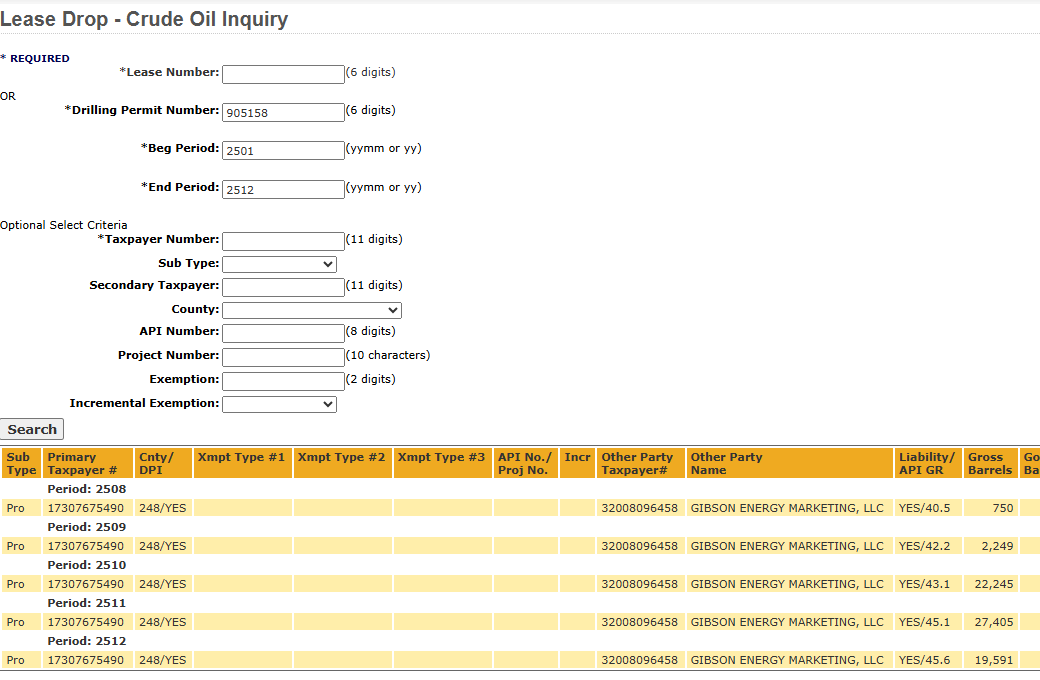
Thank you for the very in-depth analysis. The production numbers I shared are from the Texas Comptroller’s Crude Oil and Natural Gas website. [For more information, click on the magnifying glass icon at the top right hand corner of this page and enter “CONG” in the drop down menu–several threads with the subject matter will populate. The Hentz Family well immediately above the Jackrabbit lease well seems to have a very unusual decline curve.
1 Like
Look at that Eagle Mountain 1 in Ft Worth they barely got it completed under control and it’s still blowing. Bingo

1 Like
I could not find an Eagle Mountain 1 well on the RRC’s PDQ webpage.
We leased open minerals in Section 34, Block 34 H&TC, Ward County about one year ago to Pioneer. Was told at the time they were looking at Woodford and Barnett. Our tract at one time had an Ellenburger well which was in the Block 16 Ellenburger field. Continental recently completed a Woodford well just north of this field. Would a highly fractured anticline be a good candidate for production from these zones? We were told that Exxon had retained their interest within the Block 16 field.
1 Like
It looks like BKV may have bought it. It’s on Reverend Kenneth Copeland’s lake property and it’s a whopper.
1 Like